




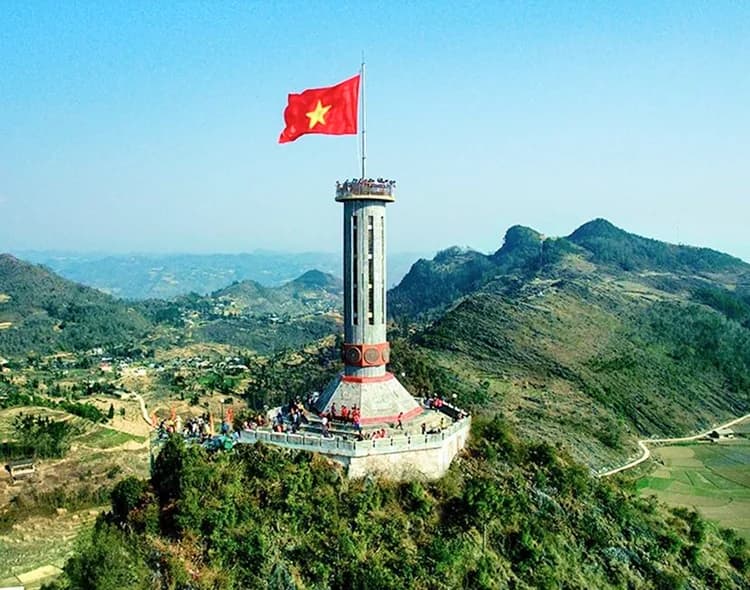
HaGiang culture
Cultural & Nature Tourism in Ha Giang: A Complete Travel Experience
2 Jan 2026Read more

Ha Giang is not only famous for its dramatic landscapes but also for its rich cultural diversity. This northernmost province of Vietnam is home to more than 20 ethnic minority groups, including the Hmong, Tay, Dao, Lo Lo, and Nung. Each group has its own language, traditions, clothing, and way of life—creating a vibrant cultural mosaic that feels completely different from the rest of the country.
Unlike urban areas, life in Ha Giang still follows traditional rhythms. Communities are deeply connected to nature, agriculture, and ancestral customs. Visiting Ha Giang is not just about sightseeing—it’s about stepping into a living cultural heritage.
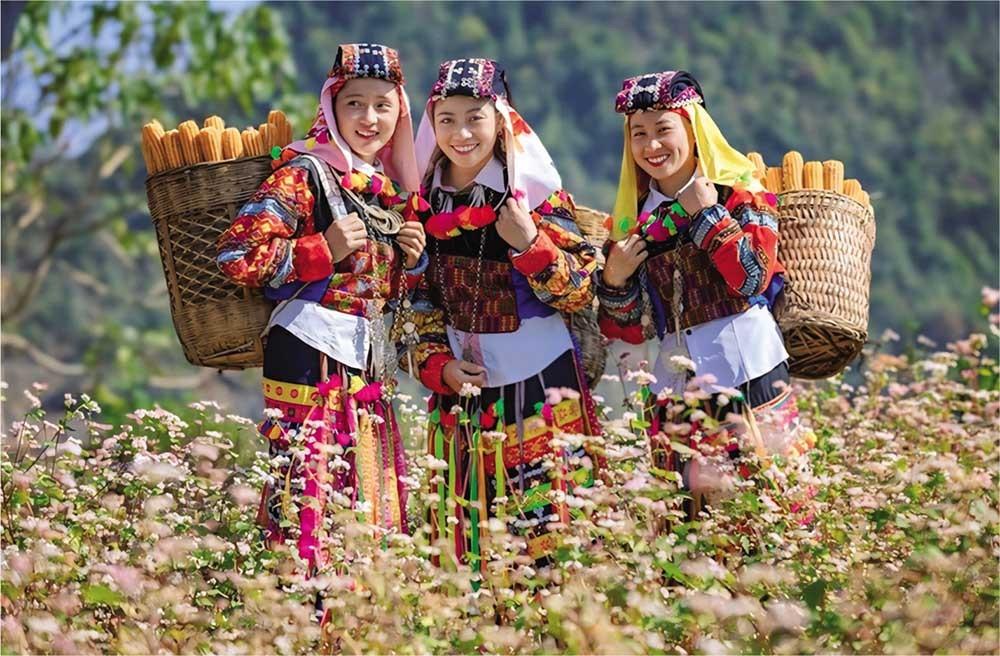
One of the most striking aspects of ethnic life in Ha Giang is traditional clothing.
These outfits are often handmade, taking weeks or even months to complete. They are not just clothing—they represent identity, social status, and cultural pride.
Even today, many locals still wear traditional attire daily, especially in villages and markets, giving Ha Giang its unique visual charm.
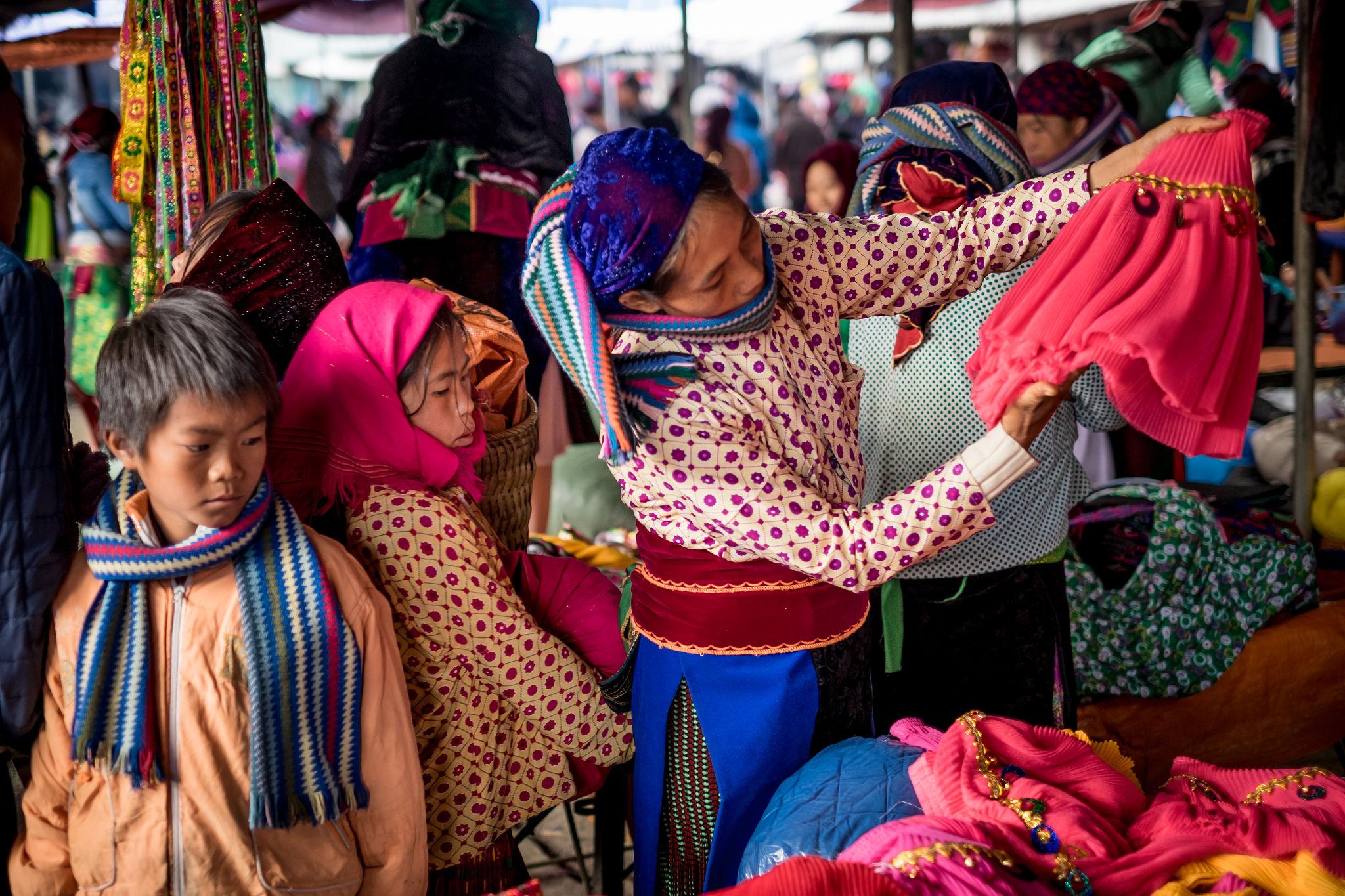
Markets in Ha Giang are more than places to trade goods—they are social and cultural hubs.
Every week, ethnic communities gather at local markets such as:
Here, people come not only to buy and sell but also to meet friends, share stories, and maintain social connections. You’ll see vibrant scenes of traditional clothing, local produce, livestock trading, and street food.
👉 Visiting a market early in the morning is the best way to experience authentic local life.
Life in Ha Giang is simple but resilient. Most families rely on farming, growing corn, rice, and vegetables on steep terraced fields.
Daily routines often include:
Children walk long distances to school, and communities live in close-knit family structures. Despite the challenges of mountainous terrain, people here maintain a strong sense of community and hospitality.
Visitors often notice the slower pace of life—something rare and refreshing compared to modern cities.
Traditional houses in Ha Giang reflect both culture and environment:
Villages like Lo Lo Chai or areas around Dong Van offer a glimpse into authentic rural life. The architecture is not only practical (keeping warm in winter and cool in summer) but also deeply tied to cultural beliefs.
Ethnic cuisine in Ha Giang is simple but rich in flavor and tradition.
Some must-try dishes:
Meals are often communal, reflecting the importance of family and connection. Eating with locals is one of the best ways to experience their culture firsthand.
Throughout the year, Ha Giang hosts many traditional festivals:
These events are full of music, dance, and traditional games, offering a deeper understanding of local beliefs and values.
When visiting Ha Giang, it’s important to travel responsibly:
Respecting local culture helps preserve the authenticity that makes Ha Giang so special.
————————————————————————
* Start your Ha Giang journey today:
Posted by:Mapi Travel
Posted on:2026/04/01